 APIs (2)
 Bulk SMS (16)
 Click to Call (4)
 Cloud Call Center (10)
 WhatsApp Business API (3)
 Cloud Telephony (23)
 DLT (4)
 IVR (5)
 Missed Call (3)
 Mobile Cloud Call Center (2)
 Outbound Calling Service (3)
 Political Campaigns (13)
 Toll Free Number (5)
 Voice Broadcasting Service (13)
 Zoho CRM (1) WhatsApp (18)
 RCS SMS(5)
 LMS(2)
 140 and 1600 Series(5) APIs (2) Bulk SMS (16) Click to Call (4) Cloud Call Center (10) Whats AppBusiness API (3) Cloud Telephony (23) DLT (4) IVR (5) Missed Call (3) Mobile Cloud Call Center (2) Outbound Calling Service (3) Political Campaigns (13) Toll Free Number (5) Voice Broadcasting Service (13) Zoho CRM (1) WhatsApp (18) RCS SMS(5) LMS(2) 140 and 1600 Series(5)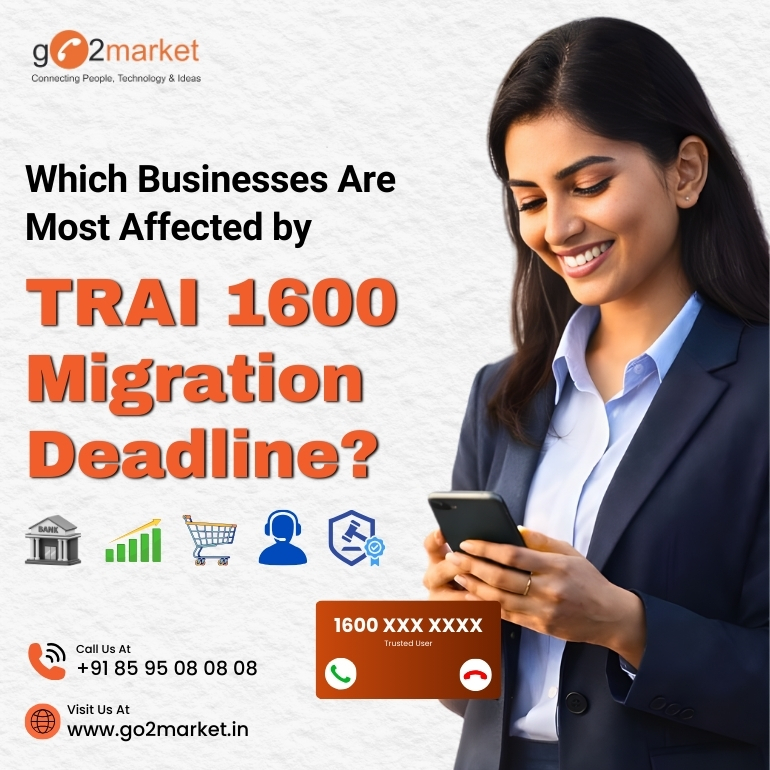
Jan
India has been working continuously to strengthen its telecom ecosystem and ensure secure, transparent and spam-free communication for mobile users. The Telecom Regulatory Authority of India (TRAI) has been at the forefront of this effort, introducing key reforms such as separate number series for promotional and transactional calls, along with the implementation of CNAP (Calling Name Presentation) at the telecom operator level.
These measures are aimed at creating a spam-free and trust-driven communication infrastructure. However, with the introduction of the 1600 series migration mandate, many businesses are now facing urgent compliance requirements. While awareness around these changes is still evolving, sectors such as BFSI, NBFCs, insurance companies, and share broking firms have already received regulatory notices, making it critical for them to implement the necessary changes to avoid service disruption and regulatory penalties. Read this detailed blog to understand the TRAI 160 series migration process and deadline.
TRAI has mandated the use of the 1600 number series specifically for service and transactional voice calls made by enterprises to customers. This move aims to:
Enterprises currently using non-compliant or mixed-use numbers for transactional calls must migrate to the 1600 series within the prescribed timelines.
Many enterprises are struggling with:
This is where a VNO-licensed CPaaS provider becomes critical.
Banks and NBFCs rely heavily on outbound voice calls for:
Non-compliance can lead to call blocking, failed customer outreach, and regulatory scrutiny from RBI-aligned frameworks.
Insurance providers use voice calls extensively for:
The 1600 mandate directly affects insurers, as service calls must now originate from verified and compliant number series.
SEBI-regulated entities frequently communicate with customers for:
Any disruption in transactional calling can directly impact trading operations and customer trust.
Order confirmations, delivery coordination, and support calls fall under service communication. These businesses must ensure:
Any disruption in transactional calling can directly impact trading operations and customer trust.
Hospitals, EdTech platforms, and utility providers making appointment reminders, service notifications, or support calls are also impacted and must ensure their voice traffic is routed through compliant infrastructure like 160 number series.
As a DOT-recognized VNO-licensed CPaaS service provider, Go2Market offers end-to-end support for enterprises navigating the 1600 migration.
Go2Market enables businesses to manage:
Enterprises that delay migration may face:
Early adoption ensures continuity, compliance, and a smoother customer experience.
Conclusion
In conclusion, we can say that the TRAI 1600 series migration is not just a regulatory requirement, it is a fundamental shift toward a cleaner, safer, and more trustworthy business communication ecosystem. For sectors where voice communication is critical, timely compliance implementation is essential. Our team manages the complete compliance lifecycle for 160 series implementations, from DLT onboarding and template approvals to number provisioning, consent handling, and audit-ready logs. By combining regulatory expertise with reliable telecom infrastructure, Go2Market ensures your customer communication remains trusted, compliant, and future-ready without operational disruption or regulatory risk. With our deep compliance expertise, and unified CPaaS platform, Go2Market helps businesses migrate seamlessly, stay compliant, and future-proof their communication infrastructure. To know more about the process, connect with go2market at 8595080808 or visit us at www.go2market.in
Follow Us