 APIs (2)
 Bulk SMS (17)
 Click to Call (4)
 Cloud Call Center (11)
 WhatsApp Business API (3)
 Cloud Telephony (23)
 DLT (4)
 IVR (5)
 Missed Call (3)
 Mobile Cloud Call Center (2)
 Outbound Calling Service (3)
 Political Campaigns (13)
 Toll Free Number (5)
 Voice Broadcasting Service (13)
 Zoho CRM (1) WhatsApp (20)
 RCS SMS(5)
 LMS(2)
 140 and 1600 Series(6)
 Omnichannel(1) APIs (2) Bulk SMS (17) Click to Call (4) Cloud Call Center (11) Whats AppBusiness API (3) Cloud Telephony (23) DLT (4) IVR (5) Missed Call (3) Mobile Cloud Call Center (2) Outbound Calling Service (3) Political Campaigns (13) Toll Free Number (5) Voice Broadcasting Service (13) Zoho CRM (1) WhatsApp (20) RCS SMS(5) LMS(2) 140 and 1600 Series(6) Omnichannel(1)
Feb
A user who uses a mobile phone for various personal and professional purposes deserves to have control over who they communicate with. Receiving a call or message (SMS)related to a product or service they never enquired about is, in essence, spam. These days, mobile phones are an integral part of our lives, serving as more than just communication devices. On average, a person checks their mobile phone every 30 minutes. Earlier mobile phones were used to connect people with each other via phone calls. What was once a tool for connecting people through phone calls has now become a very important part of our daily routine, supporting activities such as shopping, bill payments, research, social networking, and more. But the bottom line here is that these marketing notifications are okay if the user has opted to receive such notifications and messages otherwise it is spam. A user should not have to face spam especially when they are paying some extra amount like DND charges to avoid such calls.
Our phones hold our most sensitive information, acting as a digital personal assistant. However, businesses have found increasingly sophisticated ways to access this personal space, sending promotional SMS, promotional emails, social media ads, and marketing calls. While marketing and communication are an important part of a business strategy, these communications must respect the user's privacy and consent. Opt-in consent is a must to maintain a secure and respectful communication infrastructure for all. It ensures that users willingly choose to receive marketing messages, aligning business interests with user comfort. Without explicit consent, marketing communication becomes intrusive, disruptive, and a source of frustration. For individuals who take extra measures, such as activating Do Not Disturb (DND) services to avoid unwanted calls and messages, spam is a breach of trust that directly undermines their efforts to maintain privacy and control.

User Autonomy – We all use our mobile phones for various purposes and tasks and getting unwanted calls and messages just adds up to frustration, which is why businesses must take prior consent from customers. Consent empowers users to control who can contact them, preserving their privacy and reducing unwanted interruptions in their daily lives.

Build Trust in Businesses – When users opt-in to receive updates about offers, it showcases their interest in the product or service offered by the business. Which helps improve engagement rates and build customers’ trust in the brand.
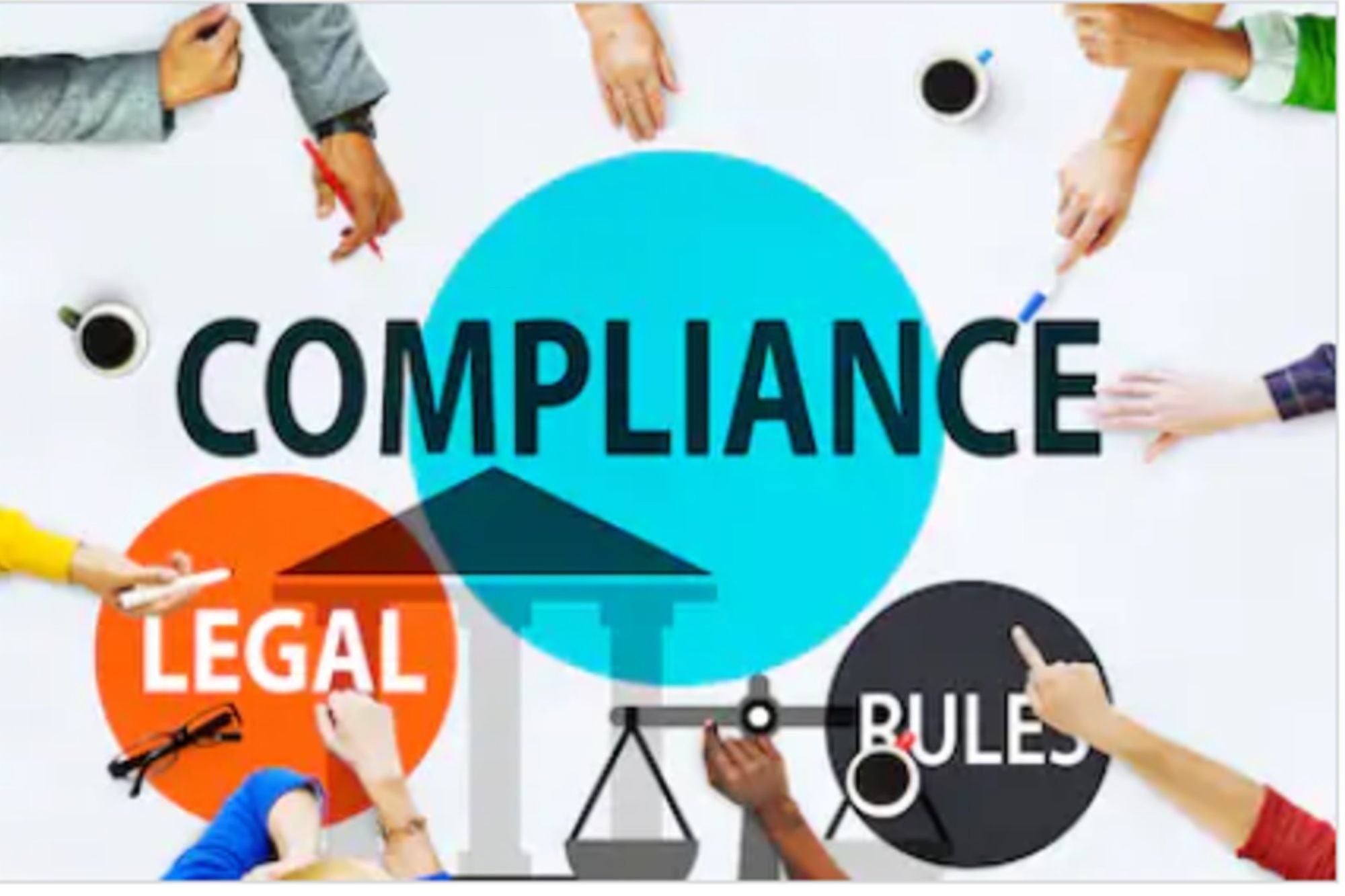
Legal Compliance – Many countries, including India, have stringent data protection laws that require businesses to obtain consent before sending marketing communications to customers. Violating these laws can lead to hefty fines and reputational damage for the business entity.

Enhanced User Experience – By targeting only those who have shown interest, businesses can deliver personalized and meaningful messages and get better conversion rates and quality leads, avoiding wasteful and irritating blanket marketing.

Combatting Spam – Unsolicited marketing communication not only disrupts users but also contributes to a broader issue of spam, which can erode the reliability of communication platforms. This is why it’s necessary to control spam and safeguard users’ privacy.
In India, the Telecom Regulatory Authority of India (TRAI) has been working proactively to curb spam and ensure secure communication. Recognizing the growing menace of unsolicited commercial communication (UCC), TRAI has introduced several measures to tackle the issue:
DND (Do Not Disturb) Registry – TRAI's DND registry allows users to opt-out of unsolicited communication. Users can register their mobile numbers under this service to block promotional messages and calls.
TCCCPR (Telecom Commercial Communication Customer Preference Regulations) – Introduced in 2018, these regulations aim to curb spam by requiring businesses to register on a blockchain-based platform. This ensures traceability and accountability for all promotional messages sent to customers.
AI-Powered Spam Detection – TRAI has also encouraged telecom service providers (TSPs) to implement Artificial Intelligence and Machine Learning tools to identify and filter spam calls and messages in real-time.
Strict Penalties for Violations – TRAI imposes fines and penalties on telemarketers who violate these rules, deterring businesses from engaging in unauthorized communication practices and safeguarding mobile users from spam.
Public Awareness Campaigns – By educating users about their rights and encouraging them to report spam, TRAI empowers individuals to take action against unsolicited and unwanted communication.
In conclusion, We can say that building a consent-based system respects users' choices and creates a positive communication infrastructure for all, where businesses can thrive without overstepping boundaries. It benefits both users and businesses by fostering trust, ensuring compliance, and delivering more effective marketing outcomes. With TRAI's ongoing initiatives and businesses adopting responsible communication practices, India is moving towards a future where mobile phones remain secure and personal spaces for all.
At go2market, we understand the importance of building a secure and spam-free communication ecosystem for all, being a responsible cloud telephony service provider, we are committed to ensuring uninterrupted and compliant communication services for our customers. We understand the needs of both businesses and end-users, which is why we are taking proactive steps to educate our clients about regulatory guidelines and ethical marketing practices.
To uphold transparency and trust, we strictly adhere to TRAI’s TCCP regulations and ensure that our customers do not engage in Unsolicited Commercial Communication (UCC). We are actively implementing Distributed Ledger Technology (DLT) guidelines in our bulk SMS and bulk voice call services, reinforcing a consent-driven approach to marketing communication. By integrating these best practices, we help businesses connect with their audiences in an ethical, efficient, and user-friendly manner while ensuring that end-users receive only the communication they have opted in for. To know more about our services, Connect with go2market at 85 95 08 08 08 or visit us at www.go2market.in
Follow Us