 APIs (2)
 Bulk SMS (19)
 Click to Call (4)
 Cloud Call Center (13)
 WhatsApp Business API (3)
 Cloud Telephony (23)
 DLT (4)
 IVR (5)
 Missed Call (3)
 Mobile Cloud Call Center (2)
 Outbound Calling Service (3)
 Political Campaigns (14)
 Toll Free Number (5)
 Voice Broadcasting Service (14)
 Zoho CRM (1) WhatsApp (31)
 RCS SMS(5)
 LMS(2)
 140 and 1600 Series(8)
 Omnichannel(1)
 AI Solutions(2) APIs (2) Bulk SMS (19) Click to Call (4) Cloud Call Center (13) Whats AppBusiness API (3) Cloud Telephony (23) DLT (4) IVR (5) Missed Call (3) Mobile Cloud Call Center (2) Outbound Calling Service (3) Political Campaigns (14) Toll Free Number (5) Voice Broadcasting Service (14) Zoho CRM (1) WhatsApp (31) RCS SMS(5) LMS(2) 140 and 1600 Series(8) Omnichannel(1) AI Solutions(2)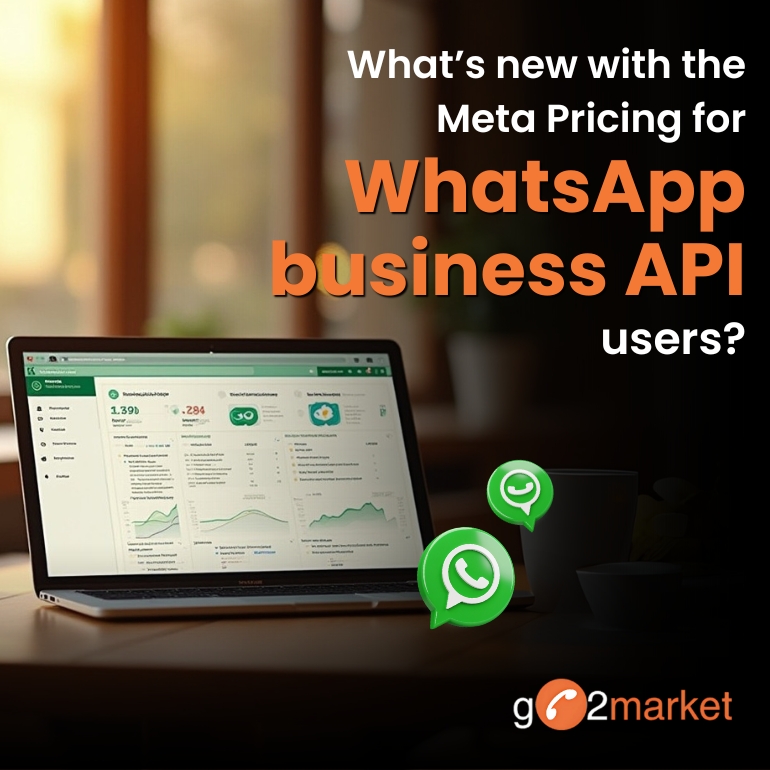
Jul
In a recent update from Meta, there was a new update about pricing for various template messages sent by businesses using the WhatsApp business API. Effective July 1, 2025, Meta (WhatsApp) has changed the pricing model from per-conversation to per-message billing for all template categories. Previously, WhatsApp charged businesses based on a 24-hour conversation window. Once a business initiated a conversation with a customer using a template message, they could send unlimited messages within that time frame for a single fee.
With the new pricing model, businesses will be billed according to per message sent, rather than for the entire 24-hour conversation window. This applies to all template message categories, including marketing, utility, authentication, and service-related messages. This change aims to simplify pricing and align with industry standards. Also, this will help businesses compare the cost of WhatsApp Business API with other communication channels. This update is a strategic decision to stop spammy or low-value marketing messages.
Why the Change?
Meta’s goal is to simplify the WhatsApp business API pricing model and bring it more in line with how other messaging channels operate. By moving to a per-message billing model, businesses will have a more transparent cost structure, no more guessing how many conversations you’re charged for.
Per-message billing gives businesses granular visibility into their spending. Instead of estimating costs based on conversation windows, you now know exactly how much each message costs.
With the per-message model, marketing teams and finance departments can accurately forecast expenses. This makes it easier to allocate campaign budgets and avoid overspending.
Now that WhatsApp follows a per-message structure like SMS and email, it's easier to compare performance and cost-efficiency across channels. WhatsApp’s multimedia-rich interface often delivers higher engagement and now you can justify that with apples-to-apples data.
Without the 24-hour window, businesses will think twice before sending unnecessary follow-up messages, leading to less spamming and better user experiences.
Previously, you could send 5–6 messages in a conversation window for a flat rate, which made budgeting hard when sending smaller campaigns. With per-message pricing, you pay for each message you send.
Every message will now have a measurable cost, which means businesses will be more strategic and data-driven while using their WhatsApp Account (WABA).
In conclusion, we can say that, while this update might seem like a big shift, it could actually empower businesses with greater transparency and efficiency in their communication spending. After this change in WhatsApp business API pricing model, businesses are more likely to send relevant, timely, and personalized messages rather than blasting generic campaigns.
Every message now carries a cost, which encourages businesses to think twice before sending bulk or repetitive promotional content. Whether you’re using WhatsApp business API for customer service, marketing, or transactional alerts, the key will be to adapt your approach and keep your audience engaged, one message at a time.
Also, this pricing update aligns with WhatsApp’s focus on user trust and experience, helping keep the platform clean, useful, and free from spam-like behavior. For more information, connect with go2market at 8595080808 or visit us at https://go2market.in/contact. Go2Market is one of the trusted WhatsApp business API service providers in India.
Follow Us