 APIs (2)
 Bulk SMS (17)
 Click to Call (4)
 Cloud Call Center (10)
 WhatsApp Business API (3)
 Cloud Telephony (23)
 DLT (4)
 IVR (5)
 Missed Call (3)
 Mobile Cloud Call Center (2)
 Outbound Calling Service (3)
 Political Campaigns (13)
 Toll Free Number (5)
 Voice Broadcasting Service (13)
 Zoho CRM (1) WhatsApp (19)
 RCS SMS(5)
 LMS(2)
 140 and 1600 Series(5) APIs (2) Bulk SMS (17) Click to Call (4) Cloud Call Center (10) Whats AppBusiness API (3) Cloud Telephony (23) DLT (4) IVR (5) Missed Call (3) Mobile Cloud Call Center (2) Outbound Calling Service (3) Political Campaigns (13) Toll Free Number (5) Voice Broadcasting Service (13) Zoho CRM (1) WhatsApp (19) RCS SMS(5) LMS(2) 140 and 1600 Series(5)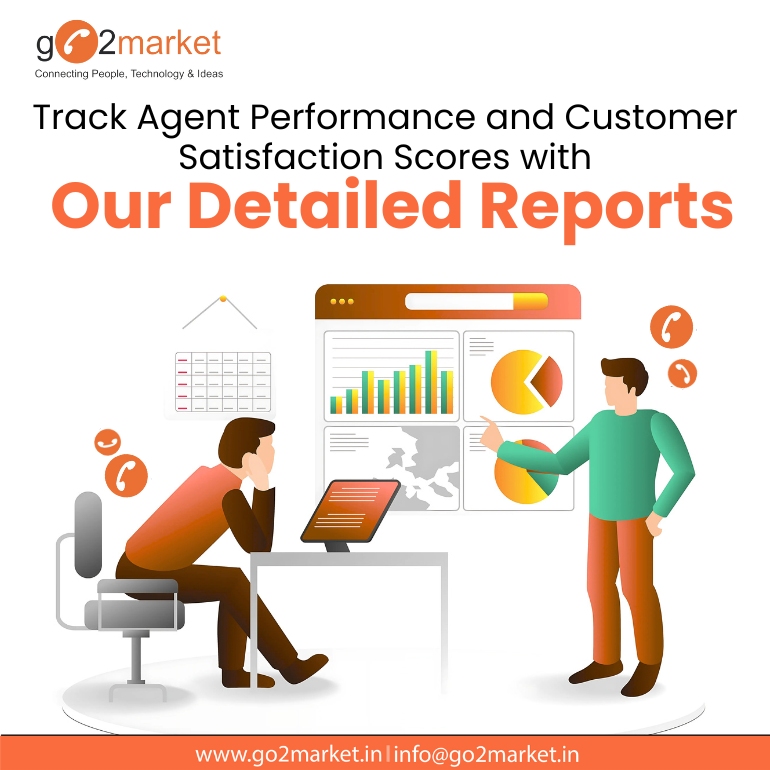
Apr
Customer service agents and sales agents play a crucial role in building the image of a brand, any product or service industry needs to create a strong mechanism for customer service to allow customers to get quick resolution for their queries and deliver higher customer satisfaction (CSAT). A strong after-sales service and high CSAT (customer satisfaction) scores are very important for the growth of a business. With our detailed agent reports you can track how effectively your agents are in dealing with customers. Our cloud call center solution has advanced tracking metrics for tracking agent performance. We have average queue time (AQT), average handling time (AHT), first call resolution (FCR), average wrap-up time (AWT), average speed of answering (ASA) etc to analyze the quality of calls and agent performance, these metrics give detailed insights into agent performance and highlight areas where they might be lacking. We also have NPS reports and detailed SLA reports. Optimize customer interactions and agent performance with real-time analytics, and make sure your customers get quick resolution for their queries. To know more about how cloud call center solutions and their smart dashboards for real-time agent analytics, read this detailed blog or connect with go2market.
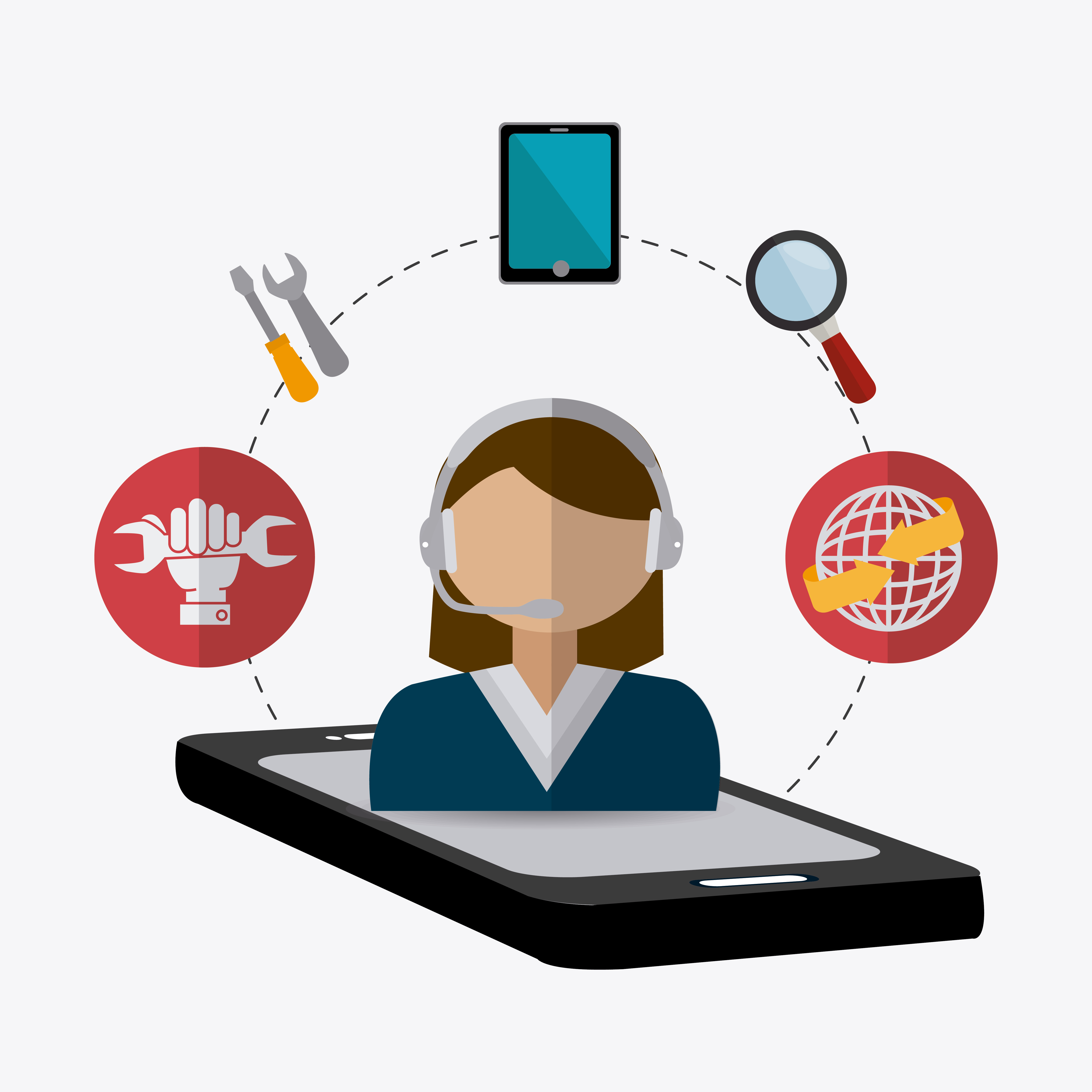
1. Skill-Based Call Routing - Cloud call centers use smart call routing to connect customers with the most qualified agent based on expertise, past interactions, and availability. This ensures faster query resolution, reducing Average Handling Time (AHT) and improving First Call Resolution (FCR) rates, leading to higher customer satisfaction.
2. Auto Dialers (Predictive & Progressive) - With predictive and progressive dialers, outbound call efficiency increases as the system automatically dials numbers, reducing idle time for agents. Predictive dialers anticipate agent availability, while progressive dialers call numbers sequentially, ensuring a steady workflow and improved agent productivity.
3. Call Disposition & Notes - After every call, agents can note down details such as the call outcome, customer concerns, and next steps. These notes help with future follow-ups, improving personalization and service consistency while providing managers with insights into customer interactions.

4. Smart Workforce Management Tools - Cloud-based solutions provide advanced workforce management features like automated scheduling, demand forecasting, and real-time monitoring. These tools ensure optimal agent availability, reducing wait times and enhancing service efficiency.

5. Multi-Level Call Queues - Calls can be organized into different queues based on factors like customer priority, issue type, or department. This structured approach reduces customer wait times and ensures that high-priority queries are addressed promptly, improving overall CSAT scores.

6. Detailed Agent Analytics – Detailed agent reports track key metrics like AHT, FCR, Average Wrap-Up Time (AWT), and Net Promoter Score (NPS). Managers can assess agent performance, identify training needs, and optimize workflows to improve efficiency and service quality.

7. Scalability - Cloud call centers offer flexibility to scale operations by adding or removing agents as per business demand. This is especially useful during peak seasons or promotional campaigns, ensuring uninterrupted service without infrastructure limitations.

8. Remote Work Capability - With cloud-based systems, agents can work from anywhere with an internet connection, ensuring business continuity. This allows companies to hire top talent globally, improve agent satisfaction, and reduce operational costs.

9. Improved Customer Experience - Faster resolutions through skill-based routing, intelligent call-back options, and self-service IVR (Interactive Voice Response) enhance the overall customer experience. Reduced waiting times and personalized service lead to higher CSAT and NPS scores.
10. Better Compliance & Security - Cloud call centers ensure data protection with encrypted call recordings, secure access controls, and compliance with industry regulations like GDPR, HIPAA, and PCI-DSS. This helps maintain customer trust and prevents data breaches.

11. Increased Agent Productivity - Automation tools reduce manual tasks like dialing, logging calls, and scheduling follow-ups. With AI-driven assistance and CRM integration, agents can focus on meaningful interactions, improving efficiency and customer engagement.
In conclusion, we can say that cloud call centers allow businesses to get detailed insights into agent performance, helping identify areas where agents may need additional training and support. At the same time, it highlights top-performing agents, allowing businesses to recognize and reward excellence. With real-time analytics, detailed QA (quality assurance) tracking, and performance metrics, businesses can optimize their customer service strategies, enhance efficiency, and improve overall customer satisfaction (CSAT) scores. Additionally, the flexibility and scalability of a cloud-based solution ensure that businesses can adapt quickly to changing demands while maintaining high service standards. Also, it allows seamless connectivity to remote working teams connecting them through a centralized cloud-based contact center solution. By choosing cloud call centers for advanced reporting and analytics, businesses can make data-driven decisions that enhance both agent productivity and customer experience (CX), leading to long-term growth and success. For more information about cloud call center solutions, their implementation and cost information, connect with go2market at 8595080808 or visit www.go2market.in
Follow Us